
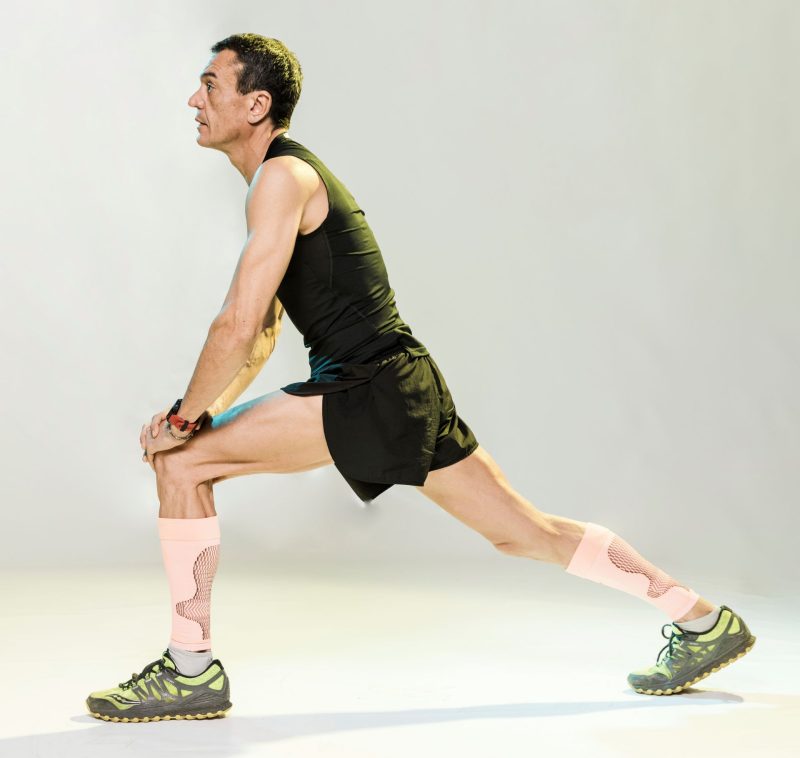
Most people assume that athletes have some of the strongest bones around. After all, they train hard, move constantly, and stay lean. Yet the question of whether athletes can develop low bone density has a surprising answer. Yes, they can.
Low bone density can occur in athletes, particularly when factors such as low energy availability, certain training patterns, hormonal disruption, or insufficient recovery affect bone health. When training outpaces nutrition and rest, your bones can weaken while your performance still looks strong on the outside. This hidden risk deserves attention from competitive and recreational athletes alike.
This article explains why bone density loss happens, who faces the highest risk, and what practical steps you can take to support your bones during hard training years.
Quick Insight: Your bones respond to balance, not just effort. When your training outpaces your recovery and fuel, even the fittest body can quietly lose strength.
Why Athletes Lose Bone Density During Training
Staying active alone doesn’t protect your bones. The balance between your training and the resources your body has to repair itself is equally critical. This balance, or its lack thereof, is often the reason for low bone density in athletes.
Energy Deficiency and RED-S
When you train hard without eating enough, you can develop a condition called relative energy deficiency in sport, or RED-S. If your body lacks fuel, it shifts energy away from functions it treats as nonessential, including the hormone production linked to bone remodeling. Over time, this tells your bones to stop rebuilding at a healthy rate.
Overtraining and Inadequate Recovery
Bone remodeling depends on rest. During recovery, osteoblasts, the cells that build new bone, respond to the mechanical load placed on the skeleton. Without adequate rest days, breakdown outpaces formation. The result is a slow decline in your bone strength that rarely shows symptoms early on.
Hormonal Suppression
Chronic underfueling and stress lower key hormones. Hormonal changes associated with low energy availability can affect bone remodeling. In female athletes, reduced estrogen associated with menstrual dysfunction is an important concern, while hormonal changes can also affect bone health in male athletes. These shifts directly lower bone mineral density and slow the natural repair cycle that keeps the skeleton resilient.
Watch For This: Bone loss rarely announces itself early. If you’re training hard but underfueling, your skeleton may be weakening long before you feel a single symptom.
Which Athletes Are Most at Risk
Some sports and training patterns carry the risk of low bone density in athletes. Recognizing these patterns helps you catch problems before a fracture forces the issue. Bone density in female athletes is also closely linked to menopause and hormonal factors, which add another layer of concern.
Endurance Athletes
If you’re a distance runner, cyclist, rower, or swimmer, you may show lower bone mineral density. Cycling and swimming give you little weight-bearing stimulus, which limits the bone-building load your body needs. In fact, cyclists are 7x more likely to have osteopenia of the spine than runners, controlled for age and body weight.
Weight-Conscious Athletes
If you’re a gymnast, dancer, or cross-country skier, you may feel pressure to stay lean, which can push you into chronic energy deficits.
Female Athletes
Menstrual irregularity or the loss of a period signals hormonal disruption. This links directly to the female athlete triad and RED-S, both tied to bone loss.
Male Athletes
Men are not exempt. Male endurance athletes with severe caloric deficits also lose bone density, though the warning signs can be harder to spot.
Athletes With a History of Stress Fractures
A history of stress fractures or other bone stress injuries may signal underlying issues with bone health, training load, energy availability, or recovery. Athletes with recurring injuries should discuss appropriate evaluation with a healthcare professional.
So can athletes develop osteoporosis? The answer is yes, particularly when energy deficits and hormonal disruption persist for years without correction.
Pro Tip: Don’t assume your sport keeps you safe. Swimmers and cyclists get incredible cardio, but their bones miss the weight-bearing load that keeps your skeleton strong.
Immediate and Long-Term Health Risks of Low Bone Density
Low bone density can increase concern about future skeletal health, particularly when the underlying risk factors remain unresolved. In some people, continued bone loss can contribute to osteoporosis in athletes. The consequences of low bone density show up on two timelines. Some risks appear during your competitive years. Others surface decades later.
Acute Risks During Training
Stress fractures are one of the most common short-term consequences you might face. Your bone mineral density affects how much repetitive load your skeleton can tolerate. When your density drops, the same training that once felt manageable starts to cause small fractures in your feet, shins, or hips.
Long-Term Skeletal Fragility
Osteopenia, the early stage of bone loss, usually causes no symptoms. If you leave it unaddressed, it can progress toward osteoporosis. This is why your peak bone-building years in early adulthood matter so much.
Building and maintaining bone mass during youth and early adulthood is important because peak bone mass contributes to skeletal health later in life. If you lose density early in adulthood, you may face fragility problems later that you could have prevented. Early intervention protects both your current performance and your lifelong skeletal health.
Think Long-Term: The bone density you build in your 20s and 30s defines your skeletal health for decades. Protecting it now is one of the best investments you can make.
Nutrition, Recovery, and Training Adjustments That Support Bone Health
The good news is that you can protect and rebuild your bones with a few practical changes. Strong bone health for athletes starts with matching your fuel, recovery, and load to the demands of your sport.
Match Calories to Training Load
Persistent underfueling is an important contributor to bone health problems associated with RED-S. Try to align your caloric intake with your training volume and body composition goals. Eating enough isn’t a weakness in your plan. It’s the foundation for your hormone health and bone repair.
Prioritize Key Nutrients
Several nutrients work together to support your bone matrix formation and mineral absorption:
|
Nutrient |
How It Helps Your Bones |
Where to Find It |
|
Calcium |
Builds and maintains bone structure |
Dairy, leafy greens, fortified alternatives |
|
Vitamin D |
Helps you absorb calcium and mineralize bone |
Fatty fish, fortified foods, supplements, and sunlight exposure |
|
Protein |
Provides building blocks for bone matrix and muscle |
Meat, fish, eggs, legumes |
|
Magnesium |
Supports vitamin D metabolism and normal bone health |
Nuts, seeds, whole grains |
Add Loading Variety
Resistance and weight-bearing exercise can provide mechanical loading that supports bone health. OsteoStrong Sioux City also offers Spectrum Bone Density Building Therapy, a controlled skeletal-loading approach that may be considered as part of a broader bone-health strategy. Speak with a healthcare professional about the right type and intensity of exercise for your individual situation.
Pro Tip: Eating enough isn’t a setback in your plan. It’s the fuel behind healthy hormones and stronger bones. Pair smart nutrition with weight-bearing work for the best results.
Testing, Diagnosis, and When to Seek Help
Regular testing and diagnosis are a critical part of strengthening bone health for athletes. For athletes with relevant risk factors, a healthcare professional may recommend DXA testing to assess bone mineral density and establish a baseline.
How Bone Density Is Measured
A DXA (dual-energy X-ray absorptiometry) scan is the standard tool for measuring bone mineral density. Results appear as T-scores and Z-scores. The appropriate score depends on age and menopausal status. For females before menopause and males younger than 50, Z-scores are generally preferred rather than T-scores.
When to Consider Screening
Talk to your healthcare provider about a DEXA scan if you:
- Have a history of recurrent or unexplained bone stress injuries
- Notice menstrual irregularity or a missed period
- Feel persistent low energy or fatigue
- Have a background in endurance or weight-sensitive sports
- Have other medical or nutritional risk factors for low bone density
You can stabilize or even recover your bone density when you address energy availability, training load, and recovery early. Long-term decline isn’t a foregone conclusion. Acting before symptoms appear gives you the best odds.
Attention Needed: If stress fractures, missed periods, or constant fatigue sound familiar, don’t wait. A simple DEXA scan gives you a clear baseline and puts you back in control.
Take Charge of Your Bone Health Before It’s Too Late
“Can athletes have low bone density?” The answer is yes. It’s a genuine concern for many athletes, but it’s not inevitable for you. Energy availability, smart training periodization, and consistent recovery are the primary levers within your control. When you protect your bones, you treat fuel and rest as seriously as your workouts.
Early screening and intervention, before symptoms show up, can help you prevent progression to a stress fracture and protect your long-term bone health. Whether you compete or train recreationally, knowing your baseline puts you in charge of your skeletal future.
If you’re an athlete concerned about your bone health, talk with your healthcare provider about appropriate evaluation and training modifications. Once you’ve been medically cleared for exercise, you can explore supportive wellness options such as those offered at OsteoStrong Sioux City. Our team provides personalized bone strengthening plans for athletes and other individuals across Sioux City and nearby areas.
Interested in learning whether our bone-health services fit your goals? Schedule a free consultation with OsteoStrong Sioux City.
Frequently Asked Questions
What Is the Number One Vitamin to Rebuild Bone Density?
No single vitamin rebuilds your bone alone. Calcium, vitamin D, protein, and magnesium all work together. Vitamin D deserves special mention because it helps your body absorb calcium and supports bone mineralization. A balanced approach beats relying on just one nutrient.
Should I Be Worried About Low Bone Density as an Athlete?
Low bone density deserves attention, particularly when it is associated with modifiable factors such as low energy availability or training imbalance. Recovery depends on the underlying cause, age, duration of the problem, and other health factors.
Is It Okay to Run if You Have Osteopenia?
Whether running is appropriate depends on your bone density, fracture history, symptoms, training load, and the underlying cause of low bone density. If you’ve been diagnosed with osteopenia or osteoporosis, discuss your running plan with a healthcare or sports-medicine professional.
How Long Does It Take to Recover Bone Density After Energy Deficiency?
Your recovery timeline varies by age, how long the deficiency lasted, and how well you stick to treatment. Bone remodeling takes months to years. Your progress is usually assessed on follow-up DEXA scans. You should follow up regularly with your healthcare provider.
Medical Disclaimer: This article is for educational purposes only and is not a substitute for medical advice, diagnosis, or treatment. Athletes with low bone density, recurrent stress fractures, menstrual changes, persistent fatigue, or suspected RED-S should consult a qualified healthcare professional or sports-medicine specialist for individualized evaluation.


