When your muscles are tight, your back is sore, or you just need to unwind, you have more options than ever for finding relief. Two of the most popular choices are hydro massage vs traditional massage.
While these massages share the same goal, they go about it in very different ways. If you’re trying to decide which one fits your lifestyle, this guide will help you decide whether traditional or new hydro massage therapy is a better option.
What Is Traditional Massage?
Traditional massage is the classic, hands-on experience most people picture when they think of bodywork. A licensed massage therapist uses their hands, forearms, or elbows to apply pressure to your muscles, working out knots and tension through techniques like Swedish massage, deep tissue work, or sports massage.
You typically lie on a table, often with oils or lotions involved, while the therapist customizes the session based on what you tell them about your pain points. This type of massage has been around for thousands of years, and for good reason.
There’s something deeply human about it. A skilled massage therapist can feel exactly where you’re holding tension and adjust their pressure in real time, responding to your body as the session unfolds.
What Is Hydro Massage Therapy?
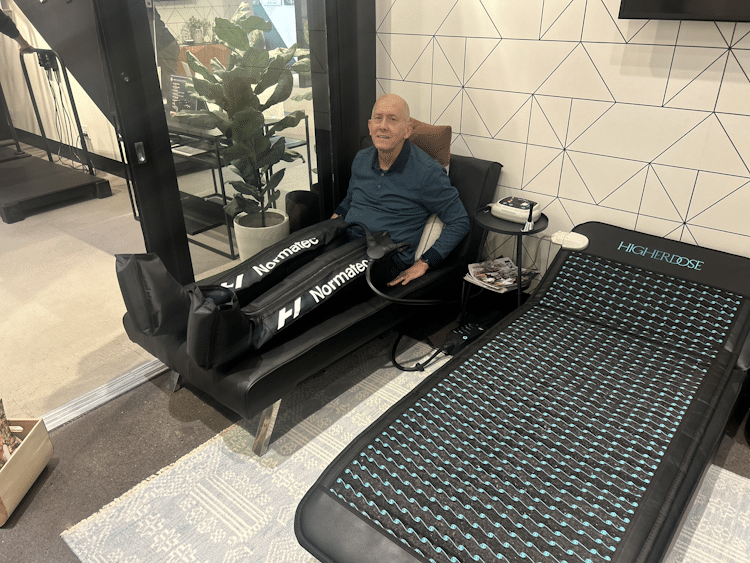
Hydro massage therapy takes a different approach. Instead of hands, you lie on a dry, cushioned bed while jets of warm water move beneath a waterproof barrier, applying pressure to your muscles from below. You stay fully clothed. There’s no oil or mess involved, and you’re in complete control of the water pressure, intensity, and target zones using a simple control panel.
If you live in Sioux City, the HydroMassage bed is one of the recovery tools available at OsteoStrong. It’s designed to work alongside your strength sessions. It’s quick, private, and fits naturally into a visit you’re already making.
Hydro Massage Vs. Traditional Massage: Treatment Experience
The biggest difference between hydro massage and traditional massage comes down to the experience itself. Traditional massage is a hands-on, personal interaction. You’re working with another person who’s actively reading your body and adjusting their technique, which can feel reassuring if you have a specific injury or chronic pain pattern you want addressed directly.
Hydro massage, on the other hand, is a self-directed, personal experience. You control the pressure and the pace, and there’s no need for small talk or explaining where it hurts. For people who feel a little self-conscious about traditional massage, or who simply want a reset without the social component, hydro massage offers a more low-key alternative.
Convenience: Which One Fits Your Schedule?
If your week is already packed, convenience matters as much as the massage itself. Traditional massage usually requires booking an appointment, often weeks out, and sessions typically run 30 to 90 minutes. You’ll need to undress (at least partially), and afterward you may feel a little groggy or need time to transition back into your day.
Hydro massage sessions at our Sioux City center are much shorter, often just 10 to 20 minutes, and require no undressing, oils, or cleanup. You can hop on, relax , and get back to your day. This makes it a great fit if you’re squeezing recovery time around work, family, or other commitments, especially when it’s already part of a facility you visit regularly, like OsteoStrong.
Muscle Recovery and Circulation
Both options support muscle recovery, but they do it differently. Traditional massage uses direct manipulation to physically work through adhesions and tight spots, which can be especially effective for deep, stubborn knots.
The pressure and kneading motion also help stimulate blood flow to the treated area, encouraging faster healing and reduced soreness. Hydro massage benefits come from the consistent, rhythmic pressure of water jets, which moves along your body to promote circulation without the need for deep manual pressure.
This makes it especially useful after a workout or strength session, when your muscles need gentle, consistent stimulation rather than intense, targeted work. Many people use hydro massage as a complement to other recovery tools, like compression therapy or red light therapy, to support the body’s natural healing process.
Relaxation: Comparing the Calm
When it comes to pure relaxation, both methods deliver, just in different forms. Traditional massage offers a more immersive, multi-sensory experience. Soft lighting, calming music, aromatherapy, and human touch combine to create a deeply restorative atmosphere that many people associate with self-care and stress relief.
Hydro massage offers a quieter, more streamlined kind of calm. The warm water pressure has a soothing, almost meditative quality, and sessions are shorter and require no preparation.
You can fit relaxation into your day without the buildup of planning a full spa visit. If you’re looking for a quick reset between errands or after a workout, that’s a unique hydro massage benefit you cannot ignore.
Customization: How Personalized Is Each Option?
Traditional massage is highly customizable in the moment. You can ask your therapist to focus on a specific area, adjust pressure on request, or combine techniques depending on your needs that day. This back-and-forth communication is one of the biggest advantages of working with a trained professional.
Hydro massage offers a different kind of customization. You control the water pressure, the speed, and which zones receive the most attention, all through a simple panel at your fingertips. While you won’t get the same responsive, real-time adjustments a human therapist provides, you do get full control over your session without having to communicate your preferences.
Ideal Use Cases: When Each Option Shines
Hydro massage vs. traditional massage: when should you reach for one over the other?
Traditional massage benefits people dealing with specific injuries, chronic pain conditions, or deep muscular tension that needs focused, hands-on attention. If you’ve pulled a muscle, are recovering from an injury, or want a therapist’s trained eye on a recurring problem area, traditional massage is likely your better option.
Hydro massage shines as a regular recovery habit. It’s ideal after workouts, strength training, or physically demanding days when your muscles need consistent, gentle stimulation rather than deep manual work. It’s also a great option if you want frequent, low-commitment sessions that don’t require scheduling, undressing, or a big chunk of time out of your day.
Bringing Recovery into Your Routine with OsteoStrong
At OsteoStrong, recovery isn’t an afterthought; it’s built into the experience. After your strength session, you can step onto the HydroMassage bed to ease tension, support circulation, and help your body recover before you head back out into your day.
It’s one of several recovery tools available to support your overall strength and wellness goals, working alongside the Spectrum strength circuit, compression boots, and other recovery options.
Whether you’re managing soreness from a workout, looking to unwind after a long week, or simply want a quick, convenient way to support your body’s recovery process, hydro massage offers a practical, accessible option you can build into your routine.
Which Option Is Right for You? It’s Your Call
There’s no single right answer when it comes to hydro massage vs. traditional massage. If you’re dealing with a specific issue that needs focused, hands-on care, traditional massage offers a personalized experience that’s hard to match.
If you’re looking for a quick, convenient way to support regular recovery and relaxation without the scheduling hassle, hydro massage might be exactly what your routine is missing. At OsteoStrong, we provide you with more than just hydro massage.
Located in Sioux City, OsteoStrong is a unique center for osteoporosis and bone health management that helps you reinforce your skeletal foundation.
Contact us for a free consultation.