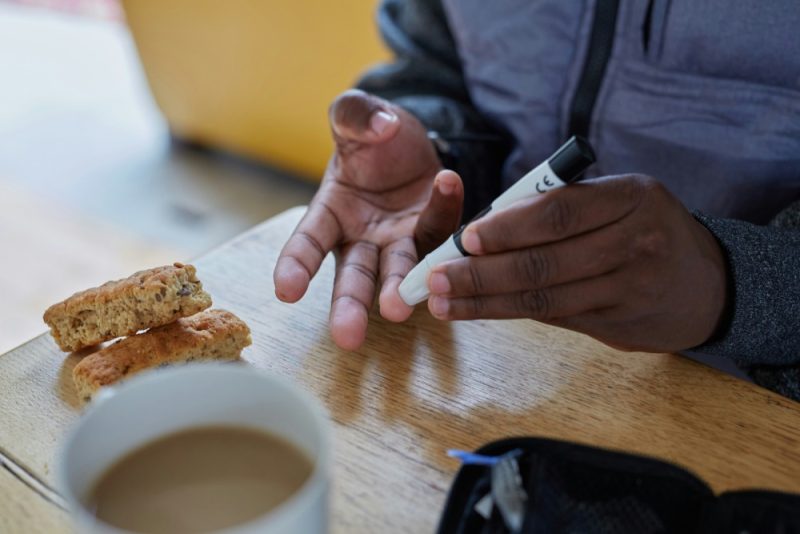
More than 40 million Americans live with diabetes, and around 90% to 95% of those cases are type 2 diabetes. That’s roughly 1 in 8 people. It’s one of the most common long-term health conditions in the country, and it affects more than your blood sugar.
If you have type 2 diabetes, you may already know the basics, but what often gets overlooked is how it can quietly affect your bones, balance, and risk of fracture over time.
So, what exactly is the relationship between type 2 diabetes and bone density?
That’s what we’ll discuss in this post.
How Type 2 Diabetes Impacts Your Bones
Type 2 diabetes affects bone health in ways that aren’t always straightforward. Unlike type 1 diabetes, which is linked to reduced bone mineral density (BMD) and weaker trabecular microarchitecture, type 2 diabetes presents a more complex picture.
High-resolution imaging analyses show that people with type 2 diabetes often have greater trabecular bone volume and higher BMD, yet fracture risk remains significantly high.
A big part of that comes down to greater porosity in the cortical bone, which affects overall bone strength even when density looks fine on a DEXA scan. So if you’ve been wondering, does diabetes affect your bones? The answer is yes, just not always in the way you’d expect.
Key factors include:
Impaired Bone Metabolism
Bone metabolism in type 2 diabetes gets disrupted by consistently high blood glucose levels. This slows down the activity of osteoblasts, the cells responsible for building new bone, while bone resorption continues at its usual pace. Over time, that imbalance quietly chips away at your skeletal strength, even if your bone density readings appear normal.
Advanced Glycation End Products (AGEs)
When blood sugar stays high for long periods, compounds called advanced glycation end products build up in bone tissue. These compounds make the collagen in your bones stiffer and more brittle, reducing the natural flexibility that helps absorb impact.
Circulation Issues
Diabetes and bone health are closely linked to blood flow. Poor circulation, a common complication of type 2 diabetes, limits the delivery of oxygen and nutrients to bone tissue. Without adequate blood supply, bone remodeling slows down, and the body’s ability to repair micro-damage becomes compromised.
Inflammation
Chronic, low-grade inflammation is a well-known feature of type 2 diabetes, and it directly affects your bones. Inflammatory markers can activate osteoclasts, the cells that break down bone, accelerating bone loss over time. Managing inflammation is a meaningful part of protecting your long-term bone strength.
Common Warning Signs of Weakened Bones
Weakened bones or a condition like osteoporosis don’t always announce themselves with a dramatic injury. For people managing type 2 diabetes, the early signs can be subtle and easy to brush off as just getting older. Knowing what to look for means you can act early, before a minor issue becomes a serious one.
Balance Problems and Frequent Wobbling
If you’re finding it harder to stay steady on your feet, that’s worth paying attention to. Poor balance is often one of the first signs that bone health and muscle strength are declining together.
Persistent Joint Pain or Stiffness
Ongoing discomfort in your joints, especially in the hips, knees, or spine, can point to changes in bone density and structure. It’s not something to simply push through.
Height Loss or Spinal Curvature
Losing height gradually or noticing a rounding in your upper back may indicate vertebral compression, which can be more common in people with diabetes-related bone loss.
Slow Recovery After Minor Fractures
If small injuries are taking longer than expected to heal, it could reflect compromised bone quality linked to type 2 diabetes.
Decreased Grip Strength
Struggling with everyday tasks like opening jars or carrying bags can signal broader musculoskeletal decline worth addressing sooner rather than later.
The Role of Aging and Mobility
Aging naturally reduces bone density, but type 2 diabetes can accelerate the process. Reduced mobility compounds the effect, as your bones need regular mechanical stress to stay strong.
Even short periods of inactivity can contribute to bone weakening. Maintaining movement, whether through walking, stretching, or guided resistance work, like the Spectrum bone density building therapy, plays a vital role in preserving your strength and balance.
Lifestyle Habits That Support Stronger Bones
The good news is that your daily habits have a real impact on your bone health. Whether you’ve recently been diagnosed with type 2 diabetes or have been managing it for years, there are practical steps you can take right now. Small, consistent changes add up significantly over time.
Nutrition for Bone Health
Getting enough calcium, vitamin D, magnesium, and protein gives your body the raw materials it needs for healthy bone metabolism, especially in type 2 diabetes. Focus on whole foods like leafy greens, dairy or fortified alternatives, nuts, and lean protein sources.
Safe and Targeted Exercise
Resistance training and balance exercises are among the most effective ways to stimulate bone growth and improve coordination. Short weekly sessions using various science-backed OsteoStrong therapies and devices can also help trigger the kind of load your bones need to stay strong.
Regular Bone Density Check-Ups
Early detection is one of the best ways to maintain your bone health in diabetes, especially type 2. Periodic bone density scans help you and your healthcare providers spot early signs of bone loss before they become a bigger problem.
Blood Sugar Management
Type 2 diabetes affects your bone metabolism due to high sugar levels. Keeping your glucose levels stable directly reduces the damaging effects on bone metabolism that come with prolonged high blood sugar.
Limiting Smoking and Alcohol
Both smoking and excessive alcohol are known to weaken bone density over time, making them habits worth addressing as part of your overall bone health strategy.
How OsteoStrong Can Help
If you’re looking for a structured way to support your bone health, OsteoStrong offers a guided, low-impact approach designed to stimulate bone growth safely.
Our services include a range of devices and therapies. Short weekly sessions work by applying the kind of load your skeletal system needs to respond and adapt.
For people managing type 2 diabetes and bone density, it can be a practical complement to your existing lifestyle habits and medical care. It’s not a replacement for your ongoing medical care, but it’s a straightforward way to take an active role in maintaining your bone strength long-term.
Take Control of Your Bone Health Starting Today
Understanding the link between type 2 diabetes and bone density is the first step toward doing something about it. Your bones are constantly responding to the choices you make, including what you eat, how you move, and how well you manage your blood sugar.
If you’re ready to take a more active approach to your bone health in diabetes, OsteoStrong is a great place to start. Located in Sioux City, Iowa, we offer short weekly sessions that can help you slowly build your bone density.
Book a free consultation today and see how it can make a difference in your bone health.
Frequently Asked Questions
Can Type 2 Diabetes Cause Bone Loss?
It can affect bone quality and increase fracture risk, even when the density appears normal in your DEXA scans. The relationship between type 2 diabetes and bone density is complex, involving factors like AGEs, poor circulation, and chronic inflammation that collectively impact your skeletal health over time.
How Do I Know If My Bones Are Weakening?
Early signs can include reduced balance, persistent joint discomfort, slow healing after minor injuries, and gradual height loss. If you’re managing type 2 diabetes and notice any of these, it’s worth raising with your healthcare provider sooner rather than later.
Is Exercise Safe If I Have Diabetes and Weak Bones?
Yes, but the type of exercise matters. Low-impact resistance training and balance exercises are generally well-suited for people managing type 2 diabetes and bone health together. Always check with your doctor before starting anything new, particularly if you have other complications.
How Often Should I Get a Bone Density Scan?
That depends on your age, risk factors, and how long you’ve been managing type 2 diabetes and bone density. Your healthcare provider is best placed to recommend an appropriate schedule for screening based on your individual situation.
Can OsteoStrong Support My Bone Health If I Have Diabetes?
OsteoStrong offers a low-impact, science-backed, guided approach that may complement your existing diabetes management routine. It’s not a medical treatment, but it can be a practical part of a broader strategy for managing bone health alongside professional medical care.